
MUSH
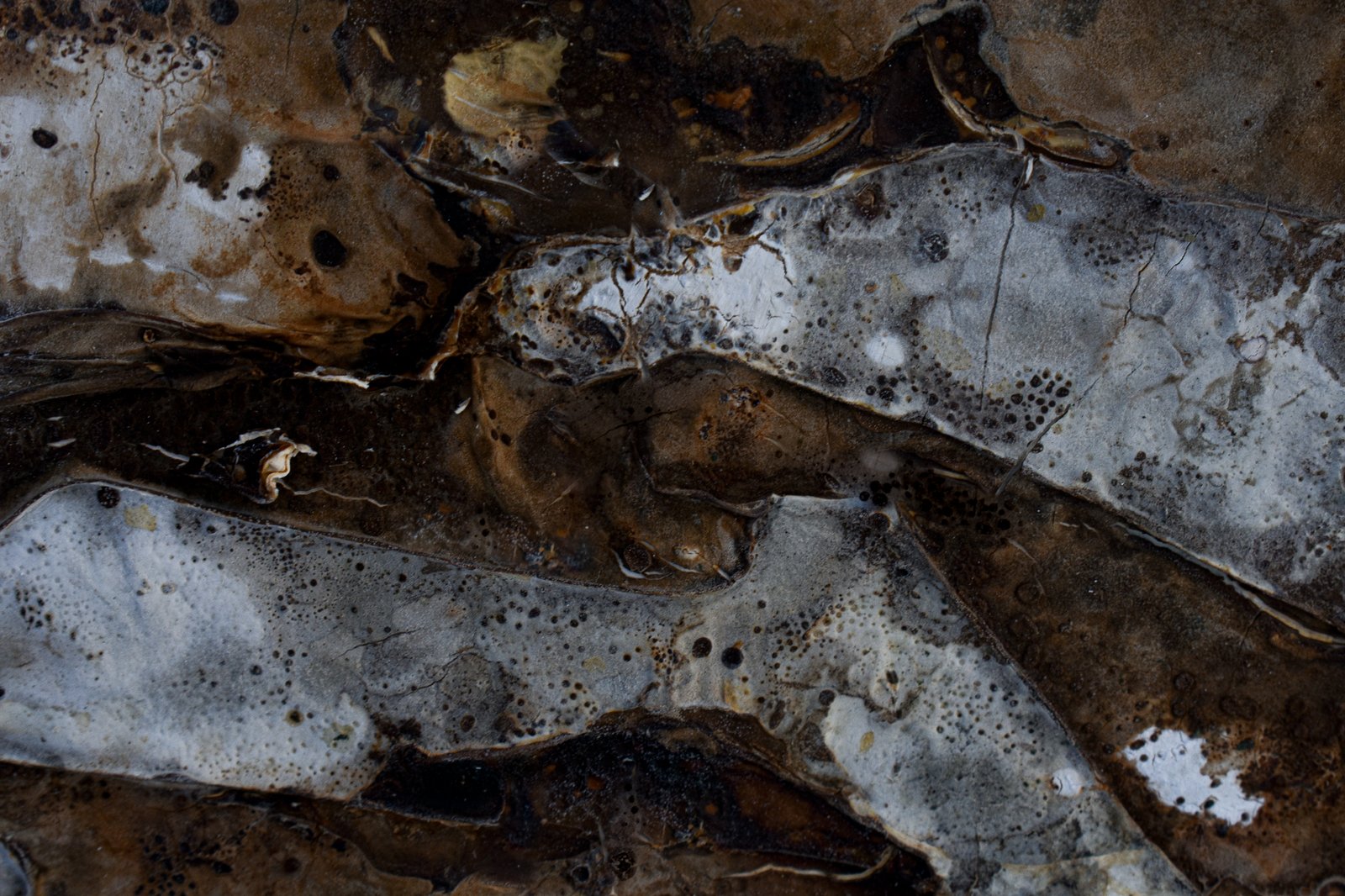
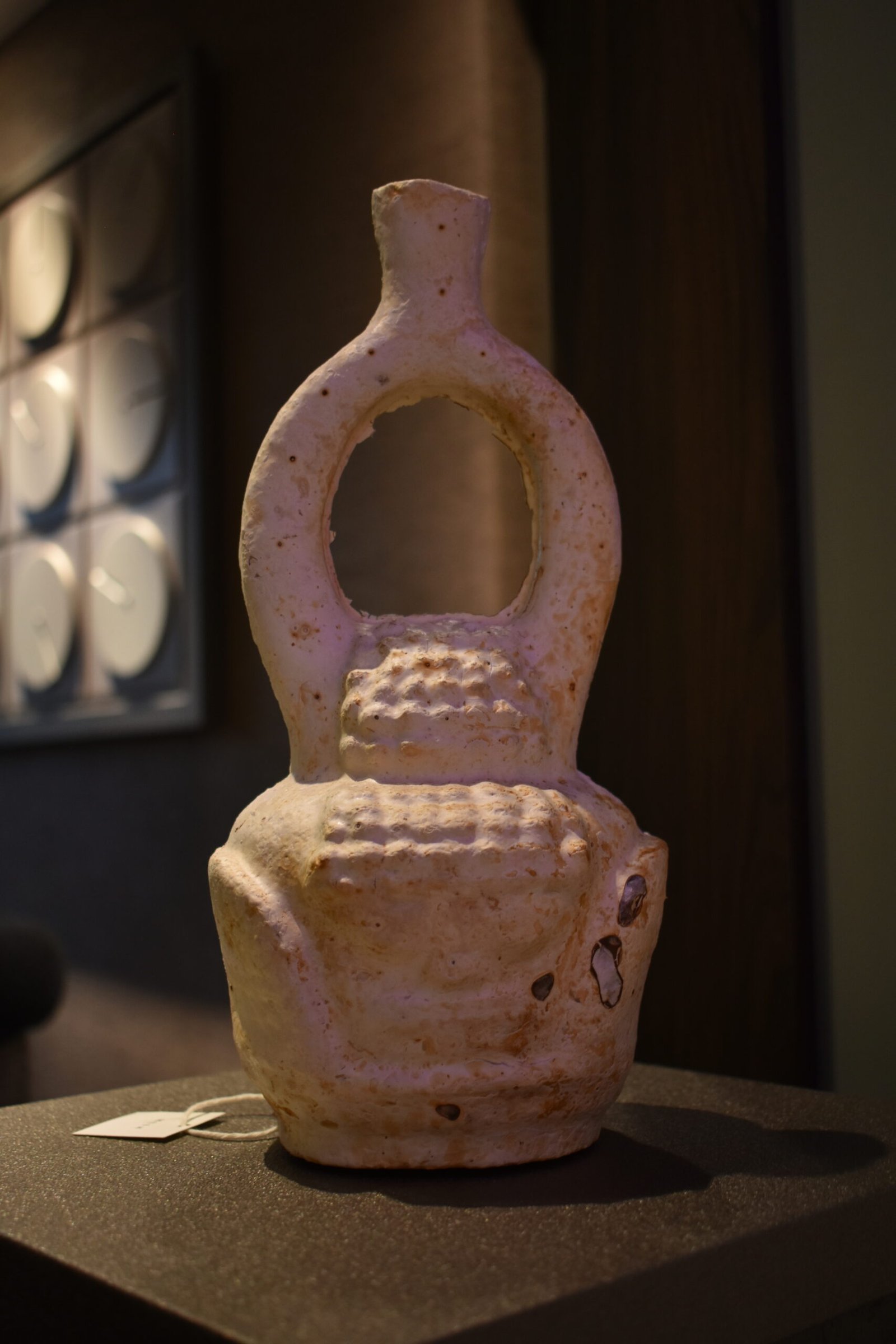
Mush’s production process begins with the selection of specific fungal strains capable of transforming agricultural waste into high-performance biomaterials.
This stage translates biological intelligence into sustainable design, ensuring that the raw material retains its natural and functional properties.
Subsequently, the modeling phase takes place, combining manual techniques with digital CAD/CAM tools to precisely shape the materials and optimize their performance.
This is followed by incubation, which allows the controlled growth of fungi within designed molds, under regulated humidity and temperature conditions and without exposure to light, ensuring structural stability.
Afterwards, dehydration preserves the pieces, extending their durability and resistance in interior environments.
Finally, the parts are assembled in collaboration with local artisans working with wood, metal, and glass.
This production flow integrates science, craftsmanship, design, and sustainability, resulting in innovative materials that reduce environmental impact while contributing new possibilities for material development.
In the exhibition IN BETWEEN, Mush presents a series of pieces that highlight technique, from AI-based modeling to manual processes.
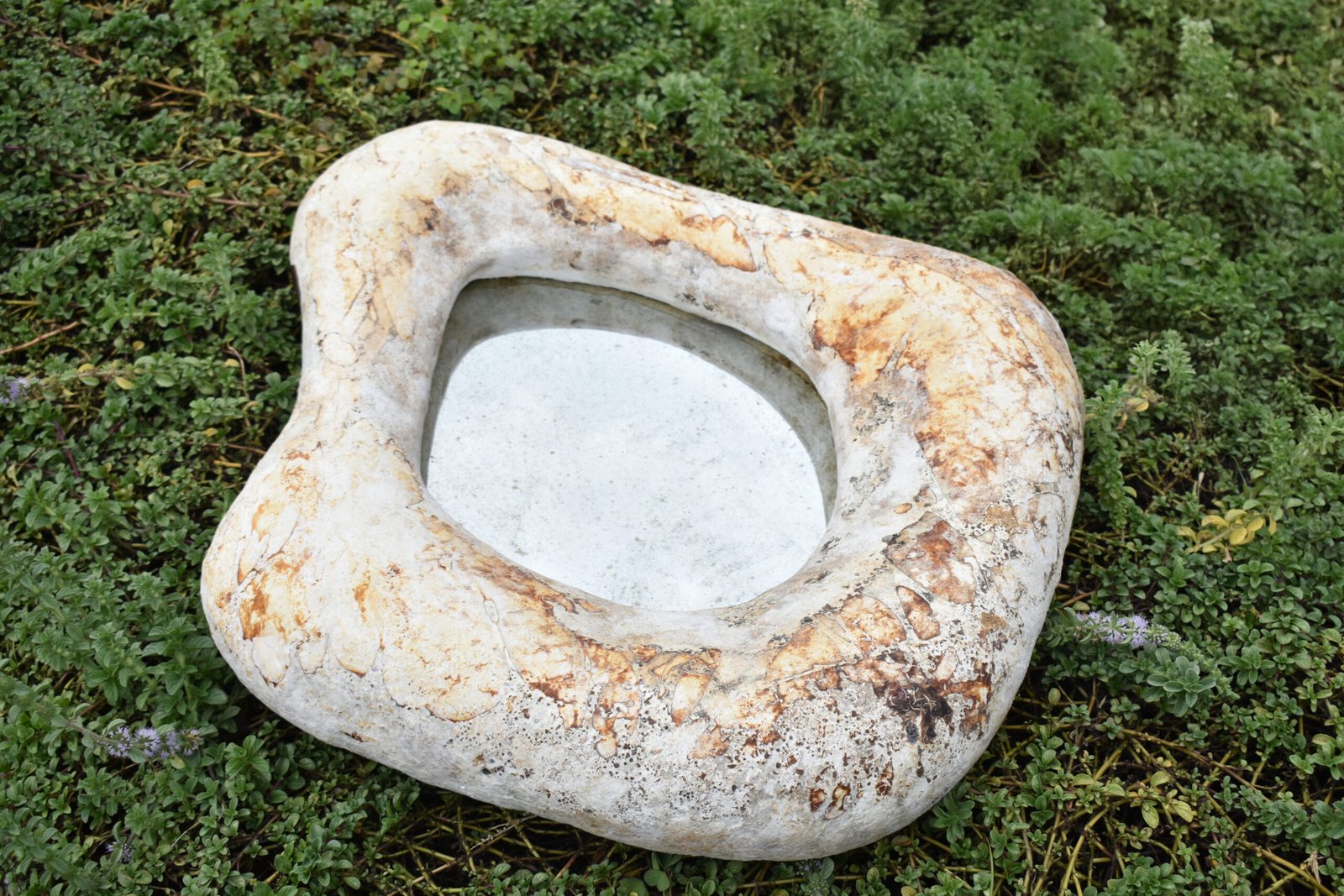
Atus Mirror is based on self-love as a revelation: by recognizing yourself, you recognize what surrounds you and make it more meaningful—especially when it is a natural environment that looks and feels good.
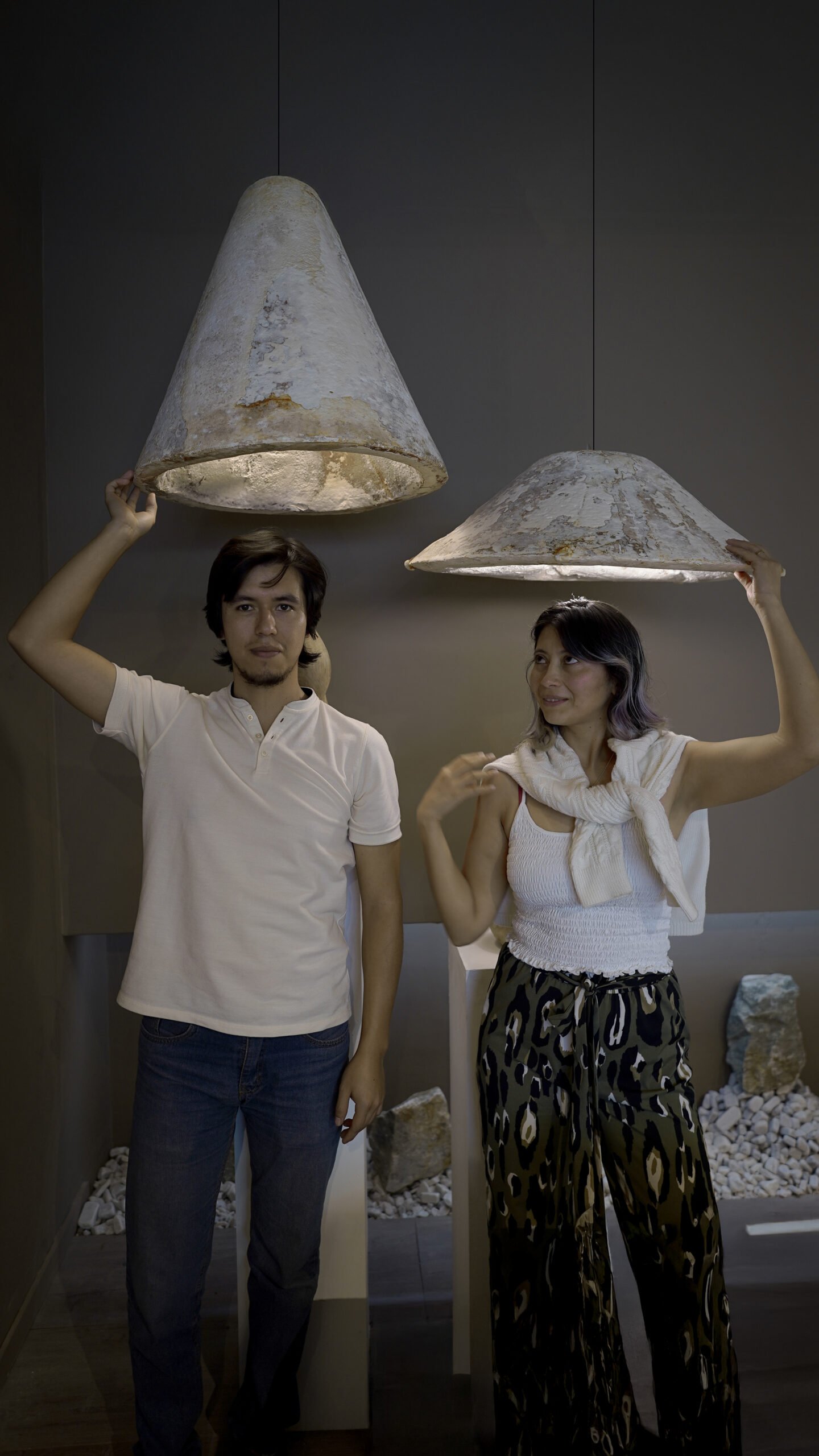
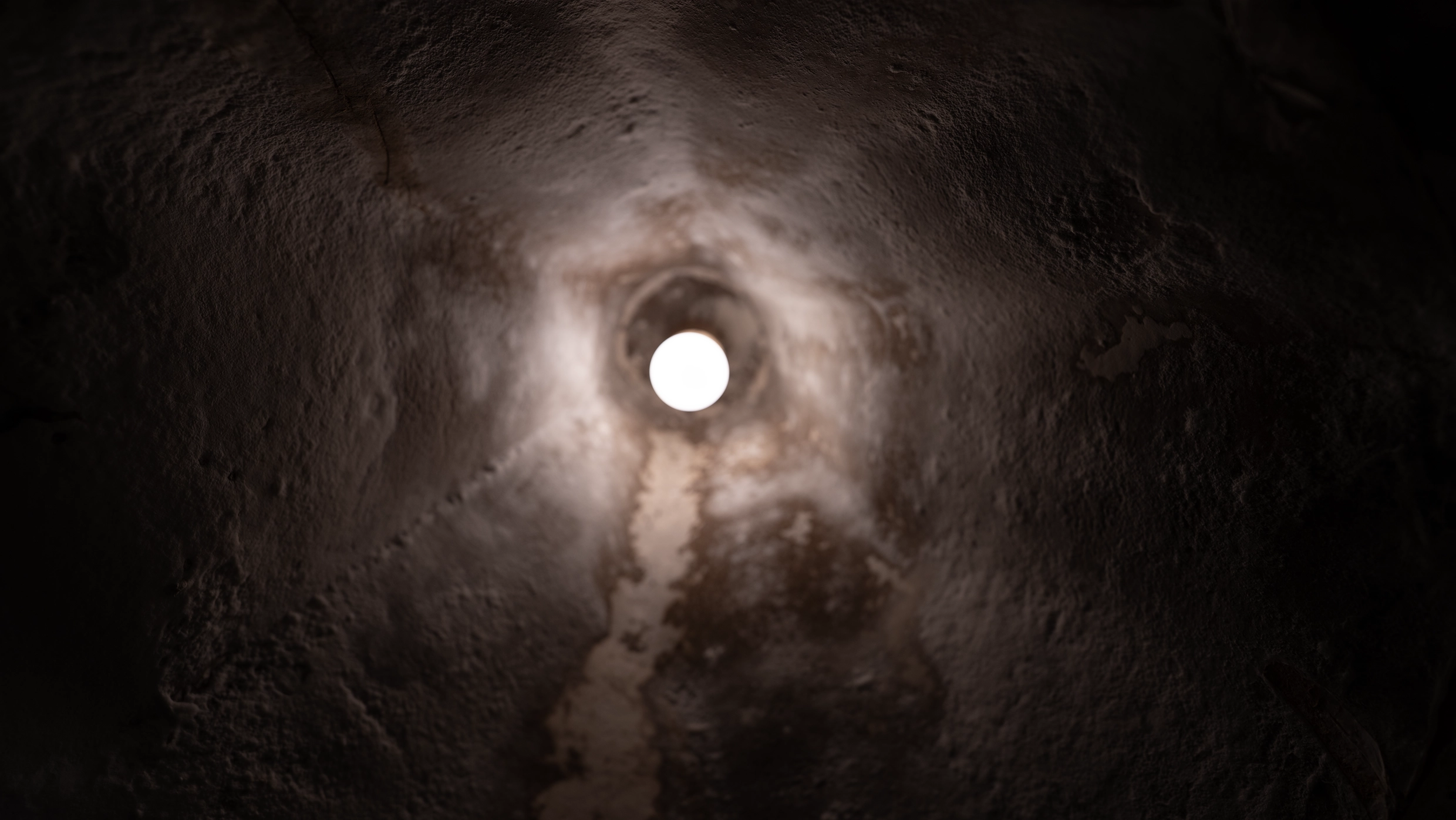
Celia Lamp is a celebration of water and empathy. Water sources are under threat, and the reduction of glaciers in the equatorial Andes makes this evident. The lamp acts as an alert to what truly matters, with velvety textures reminiscent of the soft, cloud-like sky. Formally, it evokes the idea of “feeling like a mushroom,” a cap scaled to human proportions.
Mycelial Cacao Origin tells a story of archaeological identity and contemporary innovation, based on findings of ancient cacao remains domesticated for human consumption over 5,000 years ago, positioning Ecuador as the birthplace of fine aroma cacao.
This recreation not only honors the legacy of the Mayo-Chinchipe culture, but also projects a sustainable future in art and design.
studio link: www.mushbiodesign.com